Sponsored article
How Are Cardboard Packaging and POS Displays Produced? From Brief to Production Run
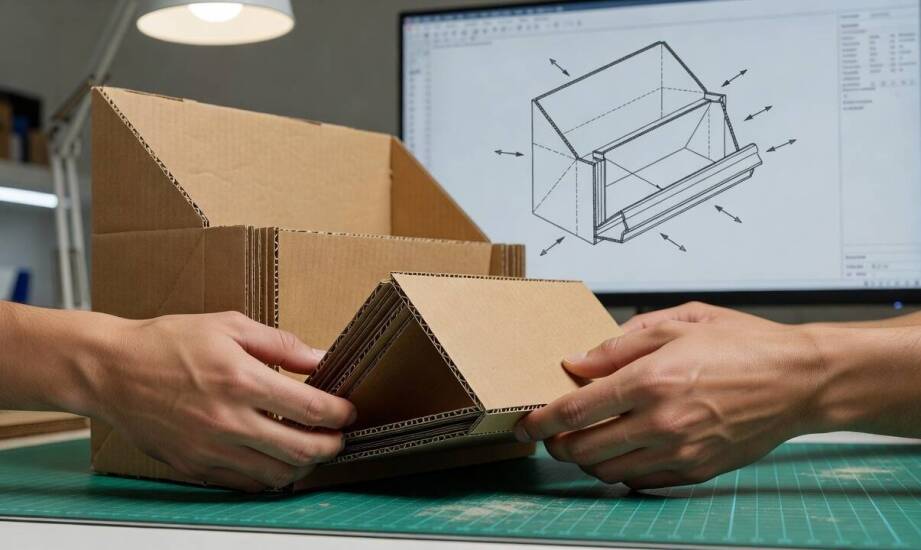
The production of cardboard packaging and POS displays is a process that combines structural design, material selection, printing, prototyping and manufacturing. Each stage influences the final quality, functionality and appearance of the finished product.
Read more: How do Cracow renovation experts ensure the timeliness and reliability of work?
A successful project therefore starts long before the first production run. The route from the initial idea to finished packaging or a retail display requires clear technical assumptions, careful material selection and a design that works both visually and practically.
Read more: How to Prepare a Recycled-Plastic Product Specification Before Series Production
The Brief – Understanding the Customer’s Requirements
The process begins with a brief containing the key information about the project.
For packaging, this usually includes the dimensions and weight of the product, packing method, transport and storage conditions, expected appearance and required production quantity.
For POS displays, additional factors may include:
the number and type of products to be displayed;
product weight and dimensions;
intended display location;
number of display levels or shelves;
assembly requirements;
transport conditions;
expected campaign duration.
A well-prepared brief makes it possible to match the solution to the actual requirements from the very beginning.
It also reduces the risk of later design changes caused by factors that could have been identified before structural development started.
Structural Design and Material Selection
Once the requirements have been defined, the structure of the packaging or display can be developed.
The design needs to combine visual appearance with practical functionality. Depending on the product, this can include ease of folding and assembly, structural stability, product protection, efficient transport and convenient handling.
Material selection is the next important stage. Depending on the application, a packaging manufacturer may use corrugated or solid cardboard. BoxPro works with both types and adapts the technology and materials to the requirements of the particular project.
The choice depends on factors such as:
required strength;
product weight;
expected appearance;
transport and storage conditions;
intended use;
production costs.
A transport box and a visually refined retail pack may therefore require very different material specifications even if their dimensions are similar.
Graphic Design and Printing
Packaging and POS displays are also important brand communication tools. The structural design therefore needs to work together with the graphic concept.
Depending on the type of project, required visual effect and production volume, flexographic or offset printing can be used.
Flexographic printing can be applied directly to cardboard and is suitable for many packaging and display applications. Offset printing is commonly used when a more detailed graphic finish is required, particularly for laminated packaging and display elements.
BoxPro offers both flexographic and offset printing, allowing the print technology to be matched to the individual project.
The graphic design should always take account of the final structure. Important information, logos and visual elements need to remain visible after folding, die-cutting and assembly.
Prototype and Design Optimisation
Before the full production run begins, it is often useful to prepare a prototype.
A physical model makes it possible to check:
dimensions;
fit around the product;
folding and assembly;
structural stability;
shelf arrangement;
access to the displayed products;
overall visual appearance.
For POS displays, a prototype can also help assess how the structure will function when fully loaded.
This stage provides an opportunity to make adjustments before serial production begins. The structure can be optimised for material consumption, manufacturing, transport, assembly or product arrangement.
Testing the physical form of the design can therefore reduce the risk of discovering structural problems only after a large quantity has already been produced.
Production and Quality Control
Once the design has been approved, the project moves into production.
Depending on the type of packaging or display, the process may include:
printing;
laminating;
die-cutting;
creasing;
gluing;
folding and assembly.
Quality control helps verify whether the finished products match the agreed technical and visual specifications.
Depending on the project, checks may include dimensions, print quality, die-cutting accuracy, crease positioning, gluing and overall structural consistency.
For POS displays, the material specification and load-bearing performance are particularly important. BoxPro states that its display testing can include checks of corrugated board parameters, ECT and BCT results, loading shelves with the actual products, stability tests, assembly and disassembly checks and print abrasion resistance.
These controls help ensure that the finished production run is consistent and suitable for its intended use.
Full Production Run and Delivery
The final stage is the production of the agreed quantity and preparation of the finished products for delivery.
Depending on the customer’s requirements, packaging or POS displays may be delivered directly to:
the customer;
a warehouse;
a retail location;
another stage of the logistics or packing process.
The way finished products are packed and transported should also be considered during the design stage. Efficient stacking, folding and palletisation can influence logistics costs and the amount of space required in storage.
BoxPro also offers co-packing services, including kit assembly, product packing, labelling and logistics support. This means that packaging production and preparation of goods for distribution can be handled within a broader service model.
Why Is It Useful to Keep the Process Connected?
Packaging production is most effective when structural design, materials, printing and logistics are considered together.
A visually attractive package that is difficult to assemble creates unnecessary operational problems. A strong display that takes up too much transport space may generate avoidable logistics costs. Similarly, a well-designed graphic will not deliver the expected result if important elements are hidden after folding.
The aim is therefore to create a solution that works throughout the entire process – from production and packing to transport, display and final use.
Working with one supplier across several stages can also make communication easier, because structural, graphic and production decisions can be coordinated within the same project.
FAQ
How Long Does It Take to Prepare Cardboard Packaging or a POS Display?
The lead time depends on the type of product, design complexity, selected materials, printing requirements and production quantity.
A realistic schedule can usually be established once the project brief and technical requirements have been reviewed.
Can a Prototype Be Produced Before the Full Production Run?
Yes. A prototype can be used to assess dimensions, structure, functionality, assembly and visual appearance before serial production begins.
For POS displays, it can also help evaluate stability and product placement.
What Type of Cardboard Should Be Used for Packaging?
The material should be selected according to the intended use of the packaging, product dimensions and weight, transport conditions, storage requirements and desired appearance.
Corrugated cardboard is often selected where structural performance and transport efficiency are particularly important, while solid or laminated cardboard may be suitable for projects where presentation and print quality play a greater role.
The production of cardboard packaging and POS displays is a multi-stage process in which functionality, visual design and manufacturing precision need to work together.
From the initial brief and structural concept through material selection, printing and prototyping to the final production run, each stage influences the finished result. A carefully planned process makes it easier to produce packaging and displays that protect products, support logistics and present the brand effectively.
You might be interested

Key Benefits of Choosing Polish Mushrooms for a Seasonal Menu
The importance of flexibility in adapting pork products to customer needs
How do Cracow renovation experts ensure the timeliness and reliability of work?