Sponsored article
How Claw Adjustment Changes Win Rates, Play Time, and Player Perception
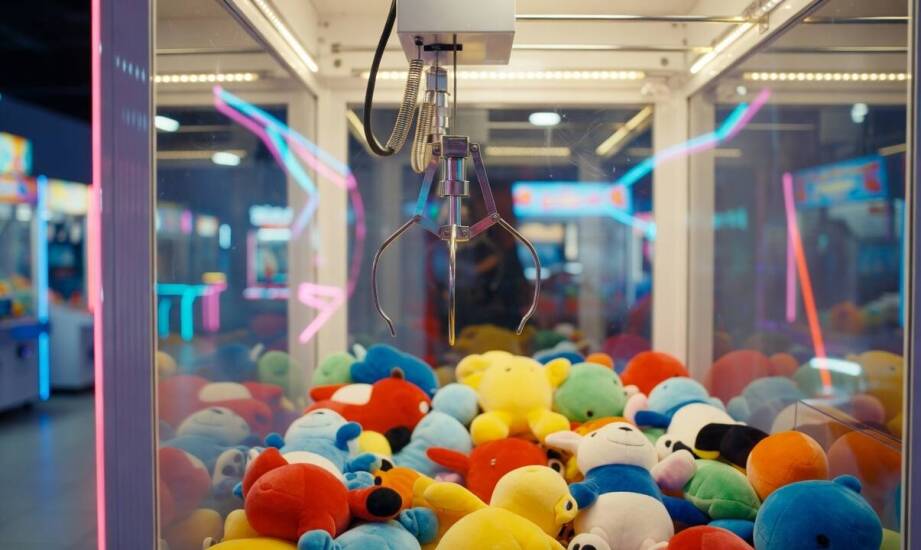
At first glance, a claw machine appears to be a very simple amusement device. The player moves the claw using a joystick and presses a button to try to pick up a prize from the display cabinet. In reality, a sophisticated combination of mechanical systems and electronic controls operates behind the glass.
Proper configuration settings shape the excitement of the gameplay and influence how often players return to the machine throughout the day. For arcade and family entertainment center operators, understanding the mechanisms that control movement, grip strength, and prize delivery is essential. Hidden configuration parameters can affect both the player experience and the financial performance of a machine. When adjusted correctly, the equipment provides engaging gameplay while supporting long-term operational goals. A properly configured machine can become a focal point of any entertainment venue.
Arm Precision and Grip Strength Configuration
The claw assembly, drive motors, and guide systems are responsible for positioning accuracy and movement consistency. Modern machines often use stepper motors or servo-based systems instead of older drive technologies. These solutions allow the carriage to move precisely along rails and drive mechanisms with a high level of repeatability.
Accurate control systems help ensure reliable positioning above the selected prize. The rigidity of the entire gantry system helps prevent unwanted swinging of the claw assembly, which could otherwise affect the player's perception of accuracy and control.
Grip strength is not necessarily a fixed value throughout a game cycle. Technicians can configure different operating parameters during various stages of gameplay. In some machine designs, the force applied while grabbing a prize may differ from the force maintained while lifting or transporting it toward the prize chute.
It is important to remember that specific electrical settings and grip-force parameters depend entirely on the design and technical documentation of a particular machine model. Manufacturers define operating values according to the specifications of the installed components.
Modern claw machines often include advanced configuration options that simplify calibration and operation. Service technicians can typically adjust settings through dedicated control panels or service menus.
The ability to fine-tune gripping behaviour helps shape the overall dynamics of each play session, influencing both player satisfaction and operational performance.
Hit Tolerance, Hold Time, and Component Stability
The amount of time a prize remains securely held can significantly influence both the probability of a successful win and the overall length of a game. If the claw maintains a stable grip for a longer portion of its return path, the likelihood of delivering a prize generally increases.
Some machine configurations may intentionally vary grip behaviour throughout the movement sequence. As a result, the way a prize is carried and released directly affects how players perceive the challenge and fairness of the game.
Proper machine programming requires balancing player satisfaction with the desired operational performance of the attraction.
Hit tolerance and the exact release timing of the claw also play a major role in how fair a machine feels to players. Even very small timing differences can noticeably influence aiming accuracy and user perception. Variations in claw pressure or release behaviour may cause guests to see the experience either as skill-based or largely unpredictable.
Achieving appropriate calibration therefore requires both technical expertise and an understanding of player psychology. If the difficulty level becomes excessively demanding, guests may be less inclined to continue playing.
Maintenance and Long-Term Reliability
Regular servicing and replacement of worn mechanical components help restore consistent machine performance over time. Wear affects all amusement equipment, and preventive maintenance reduces the likelihood of unexpected failures.
The use of dedicated spare parts and professional technical support can simplify troubleshooting and repairs. Routine inspection of electrical systems, sensors, springs, and moving elements helps maintain stable machine performance and prevents gradual drift in calibration.
Fast replacement of worn motors and cleaning of dusty optical sensors can further reduce the risk of operational disruptions. Preventive maintenance allows operators to preserve the settings and gameplay characteristics originally established through calibration.
Magic Play supplies amusement and redemption equipment for entertainment venues, supporting operators with solutions designed for long-term operation.
A professionally maintained machine fleet is typically associated with greater reliability, contributing to smoother venue operations and a better guest experience.
Balancing Excitement and Operating Costs
For machines operating within redemption and prize-based environments, maintaining the right balance between excitement and operating costs remains a key objective. Thoughtful software configuration combined with ongoing attention to mechanical components supports stable operation and a more enjoyable player experience.
Careful management of grip strength settings and consistent maintenance of drive systems can help reduce player frustration while preserving gameplay quality. Clean, properly functioning, and fairly configured machines tend to encourage longer engagement and stronger customer satisfaction.
Reliable mechanics and well-calibrated control systems can contribute significantly to the long-term success of an arcade or family entertainment centre. Ultimately, regular maintenance helps create a welcoming environment for players of all ages.
You might be interested

Key Benefits of Choosing Polish Mushrooms for a Seasonal Menu

The importance of flexibility in adapting pork products to customer needs

How do Cracow renovation experts ensure the timeliness and reliability of work?