Sponsored article
Polish ceramics: how do traditional techniques impact product quality?
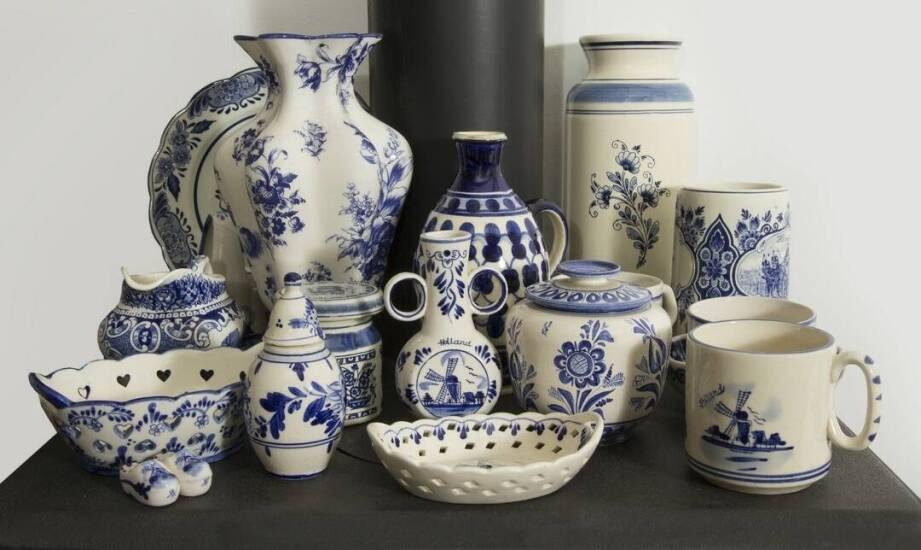
Ceramic products available in Poland are not only functional items but also elements of rich tradition and culture. In this article, we will discuss the impact of traditional techniques on the quality and aesthetics of products that are gaining recognition worldwide. Understanding these processes will allow us to better appreciate the uniqueness of ceramic products and their place in history and culture.
Handcrafting and its importance
Handcrafting of ceramics available in Poland is a key element influencing the quality of products. This process requires precision and skill, which translates into the durability and aesthetics of the products. Traditional methods of forming and decorating, such as hand modeling or using rubber stamps, give a unique character to Boleslawiec pottery and beyond. As a result, the products are not only functional but also beautiful. The high quality of raw materials and meticulous craftsmanship make the products highly regarded in both domestic and international markets.
Importance of clay in production
The importance of clay in ceramic production cannot be overstated. Using strong clay ensures durability and resistance to damage, which translates into high-quality finished products, such as ceramic plates. This material must be carefully processed to achieve the proper consistency and plasticity. The forming process is done by hand or using presses, allowing for different shapes and sizes. Slow drying is crucial to avoid cracking; then firing at high temperatures solidifies the structure. As a result, ceramics are resistant to chipping and scratching, and safe for use in dishwashers, microwaves, and ovens.
Traditional patterns and their impact
Traditional patterns and their impact on the aesthetics of ceramic products are invaluable. Local products often feature floral and geometric motifs, giving them a distinctive look. Hand decorations make each product unique, attracting customers seeking original solutions for their homes. Traditional decoration techniques help preserve the cultural heritage of the region while meeting contemporary aesthetic expectations. This recognition in both domestic and international markets confirms the growing interest in ceramics.
You might be interested

Low-emission Technologies in Fuel Tank Production: What Should You Know?
Automation in petri dish production – what benefits does it bring?

Key Benefits of Choosing Polish Mushrooms for a Seasonal Menu