Sponsored article
Automation in petri dish production – what benefits does it bring?
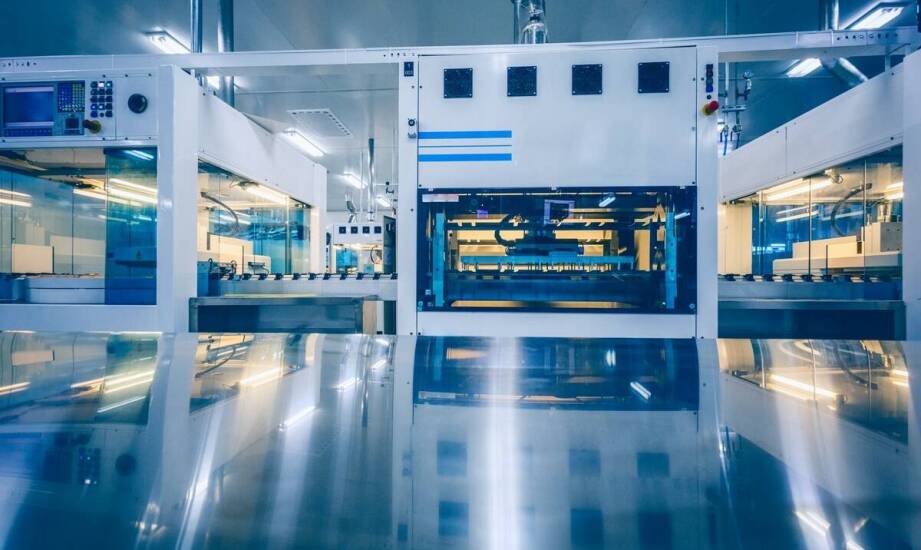
Automation in the production of Petri dishes is a crucial topic for laboratories worldwide. The introduction of modern technologies increases efficiency and improves product quality. In the article, we will discuss the benefits of automation, such as time and cost savings, better process control, and reduced risk of human error. Thanks to these solutions, laboratories can achieve a higher level of efficiency, translating into better research results.
Read more: The production process of bar mats from PVC: technology and innovation
Benefits of automation
A petri dish manufacturer introduces automation, which brings numerous benefits. First and foremost, it increases the productivity of production processes, which allows for faster production of larger quantities of products. Reduction of human errors ensures that the products are more uniform and meet high-quality standards. Time savings translate into better availability of dishes for customers. Automation also impacts the development of the manufacturer's offerings, enabling adaptation to market needs, which is crucial in the industry.
Read more: Low-emission Technologies in Fuel Tank Production: What Should You Know?
Technologies in automation
Advanced technologies such as robotics and artificial intelligence are used in the automation of Petri dish production. Robots perform repetitive tasks with high precision, which increases the efficiency of the process. Artificial intelligence allows for production optimisation by analysing data and forecasting market needs. These innovations improve product quality and shorten order fulfilment times. Understanding the applied technologies is crucial for assessing their impact on the industry and adapting to changing market conditions.
Read more: IT Law and Data Protection in the Digital Age: Challenges and Solutions
Impact on product quality
Automation in Petri dish production significantly affects their quality. Thanks to precise processes, it is possible to achieve higher standards, which is crucial in laboratory applications. Automated production lines minimise the risk of human error, resulting in fewer defective products. Elimination of defects is particularly important for manufacturers requiring reliable and durable solutions. The high quality of products from a petri dish manufacturer supports scientific research and medical diagnostics, where precision and reliability are key. Automation of production processes contributes to improved efficiency and cost reduction, which is essential for the further development of the industry.
Safety at work in laboratories
Automation in the process of producing Petri dishes has a significant impact on safety at work in laboratories. Modern technologies reduce the risk of accidents, eliminating the need for manually handling dangerous substances. Employees are less exposed to contact with toxic chemicals or microorganisms. Moreover, automated systems monitor working conditions such as temperature and humidity, allowing for quicker response in the event of a malfunction.
You might be interested
The importance of flexibility in adapting pork products to customer needs

How do Cracow renovation experts ensure the timeliness and reliability of work?
Low-emission Technologies in Fuel Tank Production: What Should You Know?