Sponsored article
Low-emission Technologies in Fuel Tank Production: What Should You Know?
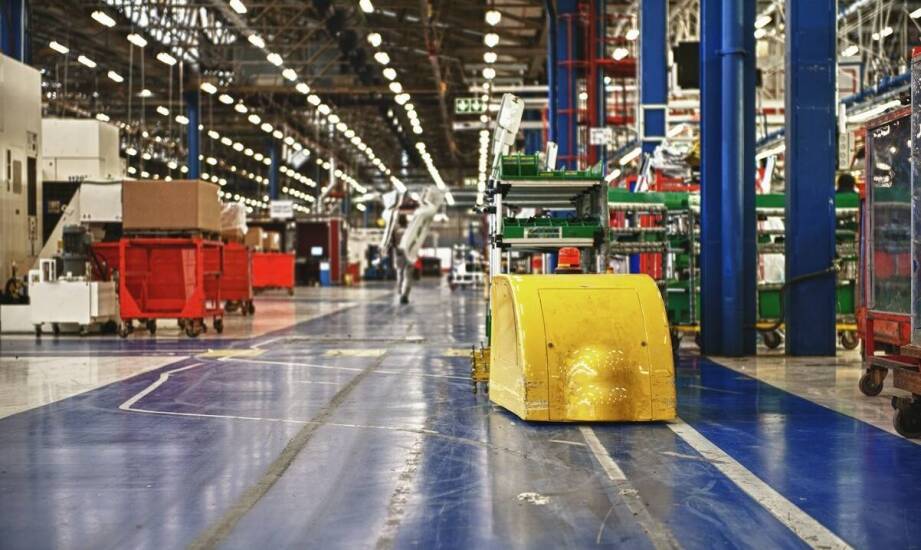
Low-emission technologies in the production of fuel tanks are gaining importance in the context of environmental protection. These innovations impact the efficiency and safety of fuel storage, which is crucial for preserving the planet. It is essential to understand the various aspects of low-emission solutions and their benefits.
Read more: The production process of bar mats from PVC: technology and innovation
What are the types of fuel tanks?
There are various types of fuel tanks for sale in South Africa, including single- and double-walled as well as above-ground and underground. Each is used in different industries, such as the chemical or petrochemical industries, and offers space savings and increased safety, minimizing the risk of contamination.
Read more: Automation in petri dish production – what benefits does it bring?
Innovative Technologies in the Production of Fuel Tanks for Sale
In the production process of fuel tanks, innovative low-emission technologies are used, significantly reducing the emission of harmful substances. An example is the use of materials with a low carbon footprint and energy-efficient manufacturing processes. This makes them more environmentally friendly and meets the increasing demands for environmental protection. Paying attention to these aspects when choosing a supplier ensures getting the best solutions.
Read more: IT Law and Data Protection in the Digital Age: Challenges and Solutions
How are tanks adapted to customer needs?
Flexibility in tank design allows for better adaptation to market requirements. The CGH Group offers various solutions for fuel stations, including compact stations for easy installation in remote locations. Adapting these structures to specific needs includes selecting the type of fuel they are adjusted for and the technologies used. This enables businesses to optimize storage processes and minimize operating costs.
Benefits of Low-Emission Technologies in Fuel Tank Production
Low-emission technologies in fuel tank production increase the efficiency and safety of liquid storage. The offered tanks, both underground and above-ground, provide space savings and minimize the risk of contamination. Innovative solutions, such as leak prevention systems and anti-corrosion insulation, raise environmental protection standards. Flexibility in tank design allows them to be tailored to the specific needs of customers, making them an attractive choice for fuel stations.
You might be interested

How to choose a vitamin K2 MK-7 manufacturer?

The importance of flexibility in adapting pork products to customer needs
The production process of bar mats from PVC: technology and innovation